Planning Your Day for Focus, Clarity, and Productivity
Why Planning Your Day Matters
Without a clear plan, days often become reactive and mentally draining. Planning your day helps you organize tasks, manage energy levels, and avoid unnecessary stress caused by last-minute decisions.
A simple daily plan supports consistency, improves time awareness, and makes it easier to maintain healthy routines.
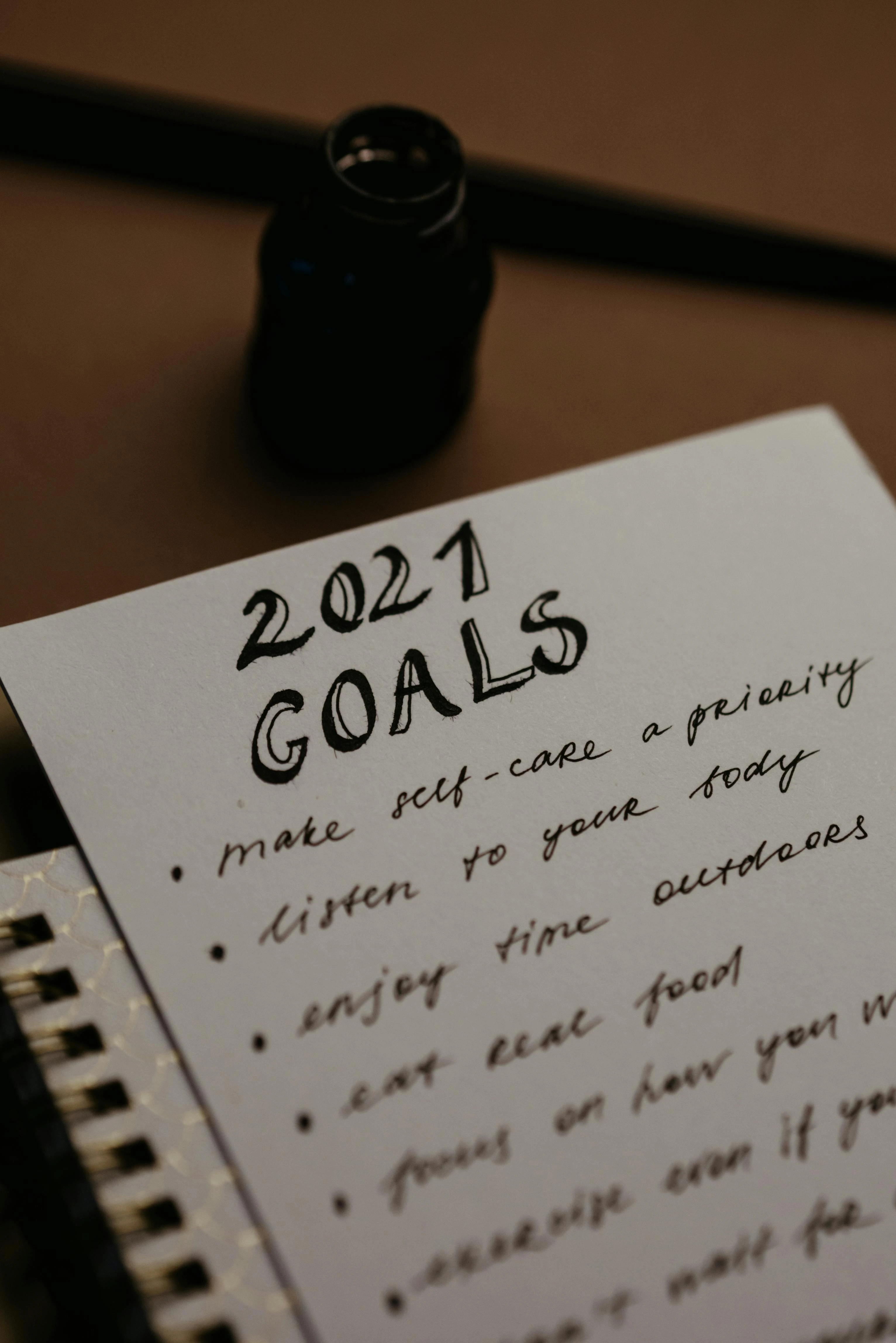
Why Planning Your Day Matters
Without a clear plan, days often become reactive and mentally draining. Planning your day helps you organize tasks, manage energy levels, and avoid unnecessary stress caused by last-minute decisions.
A simple daily plan supports consistency, improves time awareness, and makes it easier to maintain healthy routines.
How to Plan Your Day Effectively
Effective daily planning does not require complex systems or long schedules. It begins with identifying a few meaningful priorities and allocating realistic time for each task.
Planning your day works best when you focus on progress rather than perfection. Leaving space for flexibility ensures your plan remains supportive, not restrictive.
Research-backed planning principles from Harvard Business Review on planning and time management highlight the importance of prioritization, realistic scheduling, and intentional focus for daily productivity.
Effective Daily Planning Strategies
The Three Priority Method
Identify the three most important tasks each morning. Focus on completing these before less critical tasks to ensure progress on what matters most.
Time Blocking
Allocate specific time blocks for work, meetings, and personal tasks. This helps you structure your day and dedicate appropriate focus to each activity.
The MIT Technique
Complete your Most Important Task first thing in the morning. This ensures essential progress even if other things go off-track.
Review Your Calendar
Check appointments and commitments to plan priorities around fixed events, avoiding conflicts and surprises.
Plan Breaks
Schedule breaks to prevent burnout. Short breaks between focused work and a proper lunch enhance productivity and wellbeing.
Tools and Methods for Planning
Paper Planner or Journal
Writing your plan by hand helps memory and commitment. Simple notebooks or planners engage your brain differently than digital tools.
Digital Tools
Use apps or digital calendars for flexibility, reminders, and notifications. Choose tools that fit your style.
The Hybrid Approach
Combine paper for morning reflection and digital tools for appointments. Utilize the strengths of both for effective planning.
Common Planning Mistakes to Avoid
Overplanning
Avoid unrealistic schedules. Build in buffer time for the unexpected. Achievable plans reduce stress and increase adherence.
Ignoring Energy Levels
Schedule demanding tasks during your peak energy hours. Align tasks with your natural rhythms for best performance.
Forgetting Self-Care
Include time for meals, movement, and rest. A sustainable plan considers your whole self, not just work output.
Evening Review
Reflect at day’s end. Celebrate accomplishments, note unfinished tasks, and identify lessons. This improves planning skills and provides closure.